Reverse Osmosis System
Reverse osmosis filtration reduces cadmium as part of the broader range of dissolved metals its membrane is built to address.
Learn More
Cadmium is one of the more tightly regulated metals on this list, with a specific, documented health concern behind the EPA's standard.
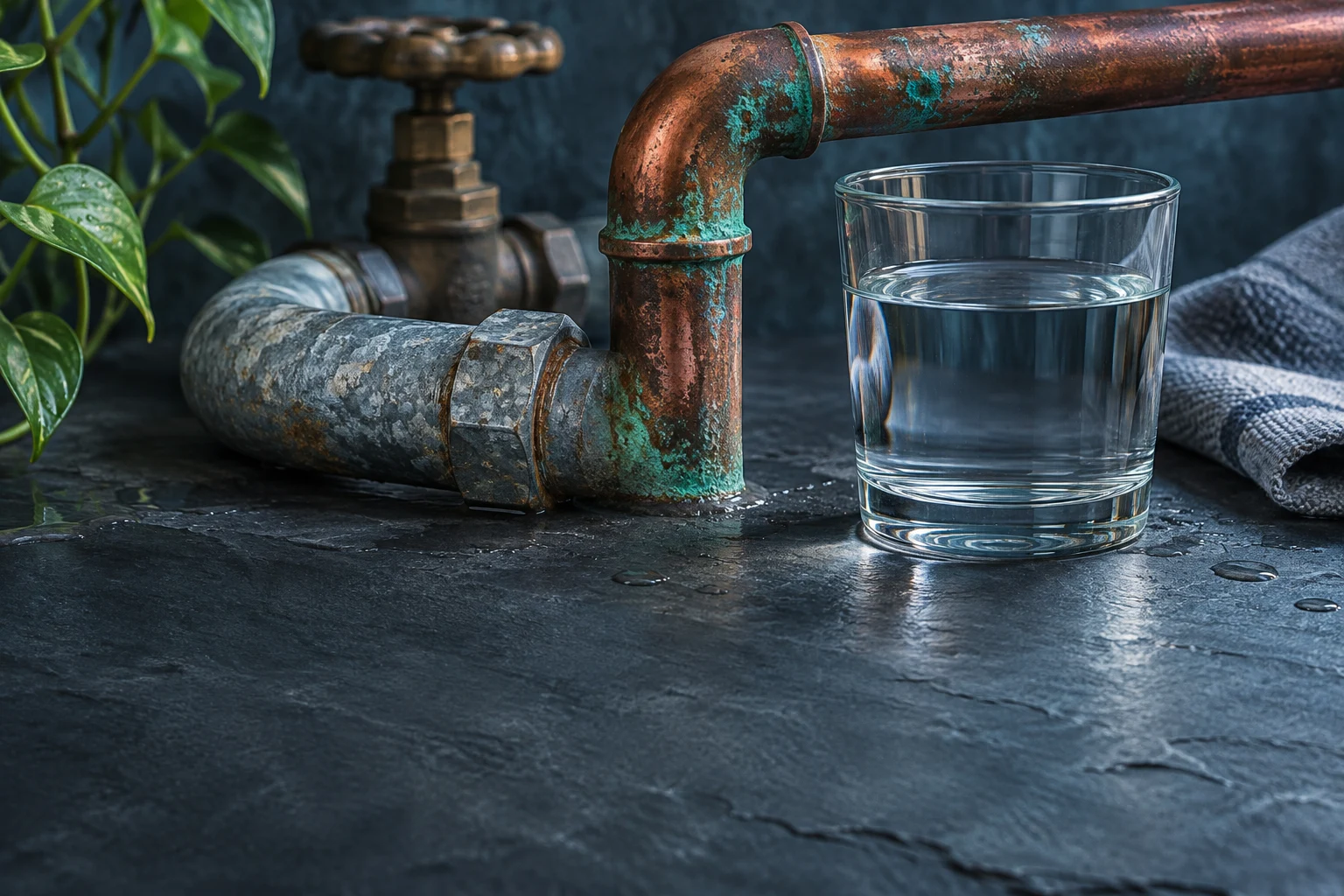
The EPA's Maximum Contaminant Level for cadmium is 0.005 mg/L, with a Maximum Contaminant Level Goal of the same value. The EPA's own published health effects data cites kidney damage as the concern from long-term exposure above this level.
Cadmium typically enters water from corroding galvanized plumbing, industrial or metal-processing discharge, or runoff from some fertilizers used in agricultural areas.
Reverse osmosis filtration reduces cadmium as part of the broader range of dissolved metals its membrane is built to address.
Learn MoreNote: this is addressed by our reverse osmosis drinking-water system specifically — our whole-house filtration systems are not designed or certified to remove it.
We'll test it for free and show you exactly what a system would remove.
0.005 mg/L, with the health concern from long-term exposure above that level being kidney damage, per the EPA's own published data.
Most often corroding galvanized plumbing, industrial or metal-processing discharge, or agricultural fertilizer runoff.
No — there's no reliable taste, smell, or visible sign at regulated levels. A lab water test is required.