info@aquatechgurus.com Serving PA, NJ, DE & West Palm Beach, FL Phones answered 24/7
Home / Contaminants / Chlorine & Chloramine

Chlorine & Chloramine: The Pool-Like Taste in City Water

If tap water tastes or smells like a swimming pool, that's chlorine or chloramine — disinfectants your municipal utility adds on purpose to keep the water supply safe on its way to your home.

What It Is

Why It's There, and the EPA Limit

Water treatment plants add chlorine, or a longer-lasting combination of chlorine and ammonia called chloramine, to kill bacteria and other pathogens before water leaves the plant and travels through miles of distribution piping. It works, and it's required — the EPA sets a Maximum Residual Disinfectant Level (MRDL) of 4.0 mg/L for both chlorine and chloramine in treated drinking water. But effective disinfection comes with a tradeoff: a noticeable taste and smell at the tap, and compounds that can be harsh on skin and hair with regular exposure.

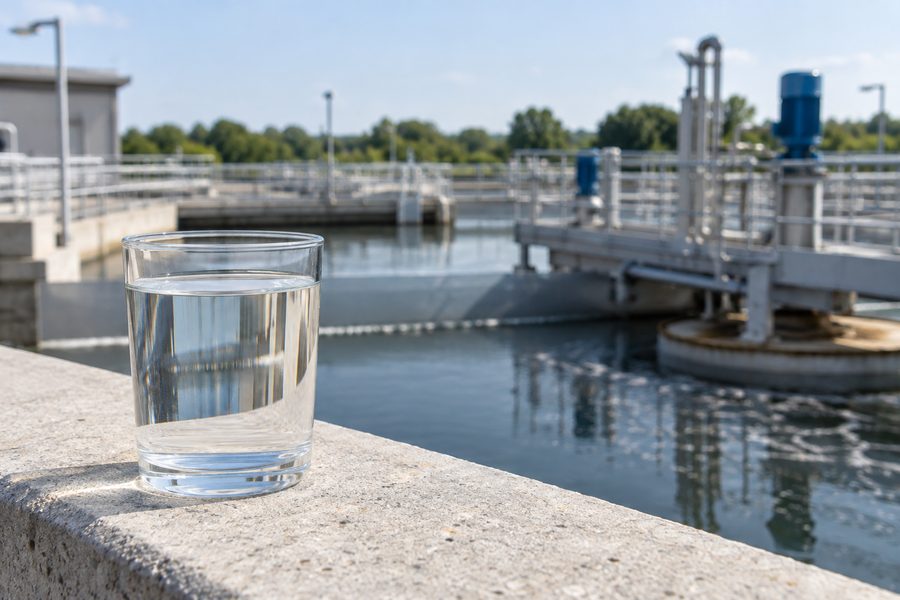
Chlorine and chloramine disinfectant in treated tap water
Watch For This

Signs to Look For

  • A pool-like taste or smell straight from the tap
  • Skin or hair that feels dry or irritated after showering
  • Fish that don't survive in tap water without dechlorinating it first
  • A smell that's noticeably stronger right after your utility flushes the lines
How We Fix It

Carbon + Resin System

Carbon + Resin System

Built specifically for the chlorine and chloramine your utility adds during treatment — carbon strips the chemicals first, then a resin stage polishes what's left, for a noticeably cleaner taste at every tap in the house.

Learn More

Curious What's In Your Water?

We'll test it for free and show you exactly what a system would remove.

Request a Free Water Test
FAQ

Chlorine & Chloramine: Common Questions

At the EPA's regulated Maximum Residual Disinfectant Level of 4.0 mg/L, chlorine and chloramine are considered safe to drink — they're added specifically to protect public health. The taste, smell and skin or hair irritation are quality-of-life issues, not a safety violation.

Chloramine is chlorine combined with ammonia, which breaks down more slowly — utilities often switch to it for water that travels long distances through the distribution system, since the disinfection lasts longer.

Standard carbon pitcher filters are better at removing chlorine than chloramine, since chloramine is more chemically stable. A dedicated whole-home carbon and resin system is built to handle both.

Call Now — (267) 225-8282