Reverse Osmosis System
Reverse osmosis filtration reduces silver along with other dissolved metals, as part of its overall filtration process, even though it's a lower-priority item on most households' lists.
Learn More
Silver sits at the gentler end of this list — the EPA's own guidance notes the health effect it's meant to prevent has never actually been tied to U.S. drinking water.
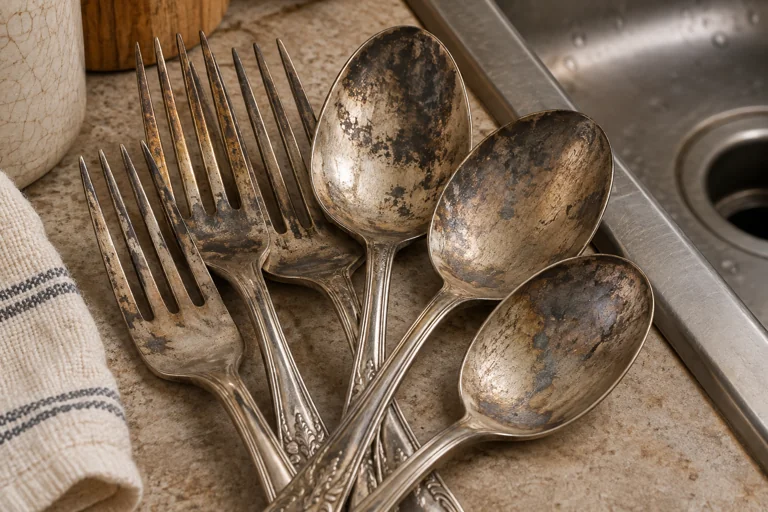
The EPA's secondary (aesthetic, non-enforceable) standard for silver is 0.1 mg/L, set to guard against argyria — a cosmetic skin and eye discoloration from very high, chronic exposure. The EPA's own guidance notes that argyria has never actually been documented as caused by drinking water in the United States.
Part of why a guideline exists at all: silver is also used as an antibacterial agent in some home water treatment devices, so the standard is partly there to keep that usage in check rather than reflecting a widespread contamination concern.
Reverse osmosis filtration reduces silver along with other dissolved metals, as part of its overall filtration process, even though it's a lower-priority item on most households' lists.
Learn MoreNote: this is addressed by our reverse osmosis drinking-water system specifically — our whole-house filtration systems are not designed or certified to remove it.
We'll test it for free and show you exactly what a system would remove.
At the levels typically found, no documented health risk exists — the EPA notes argyria has never been documented as caused by U.S. drinking water, and the standard is a non-enforceable aesthetic guideline.
Partly because silver is used as an antibacterial agent in some home water treatment devices, so the guideline helps keep that usage in a reasonable range.
For most households, it's a low priority compared to other contaminants on this list — but reverse osmosis addresses it along with everything else if you'd rather not think about it at all.