info@aquatechgurus.com Serving PA, NJ, DE & West Palm Beach, FL Phones answered 24/7
Home / Contaminants / Trihalomethanes

Trihalomethanes (THM's): A Byproduct of Disinfection

Trihalomethanes, or THM's, aren't added to water on purpose — they form as a byproduct when chlorine disinfectant reacts with naturally occurring organic matter already in the source water, most often in municipally treated supplies.

What It Is

A Disinfection Byproduct, Not a Direct Additive

Under the EPA's Stage 1 and Stage 2 Disinfectants and Disinfection Byproducts Rules, Total Trihalomethanes are regulated at a Maximum Contaminant Level of 0.080 mg/L (80 parts per billion), measured as a running annual average across a water system.

THM's form when chlorine, used to disinfect water and kill harmful microorganisms, reacts with naturally occurring organic material (decaying leaves, soil, vegetation) already present in the source water. Surface-water sources, which tend to carry more organic material than groundwater, typically see higher THM formation than groundwater-fed systems.

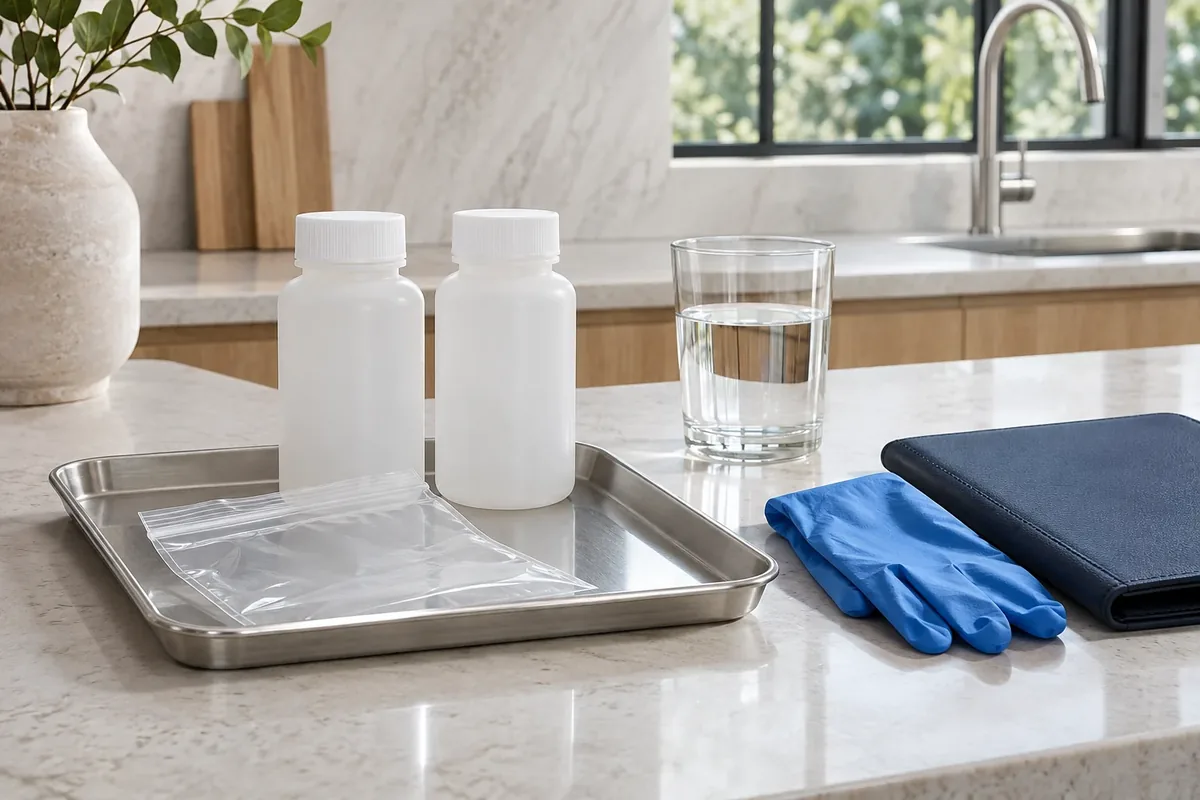
Illustrative water sample collection supplies.
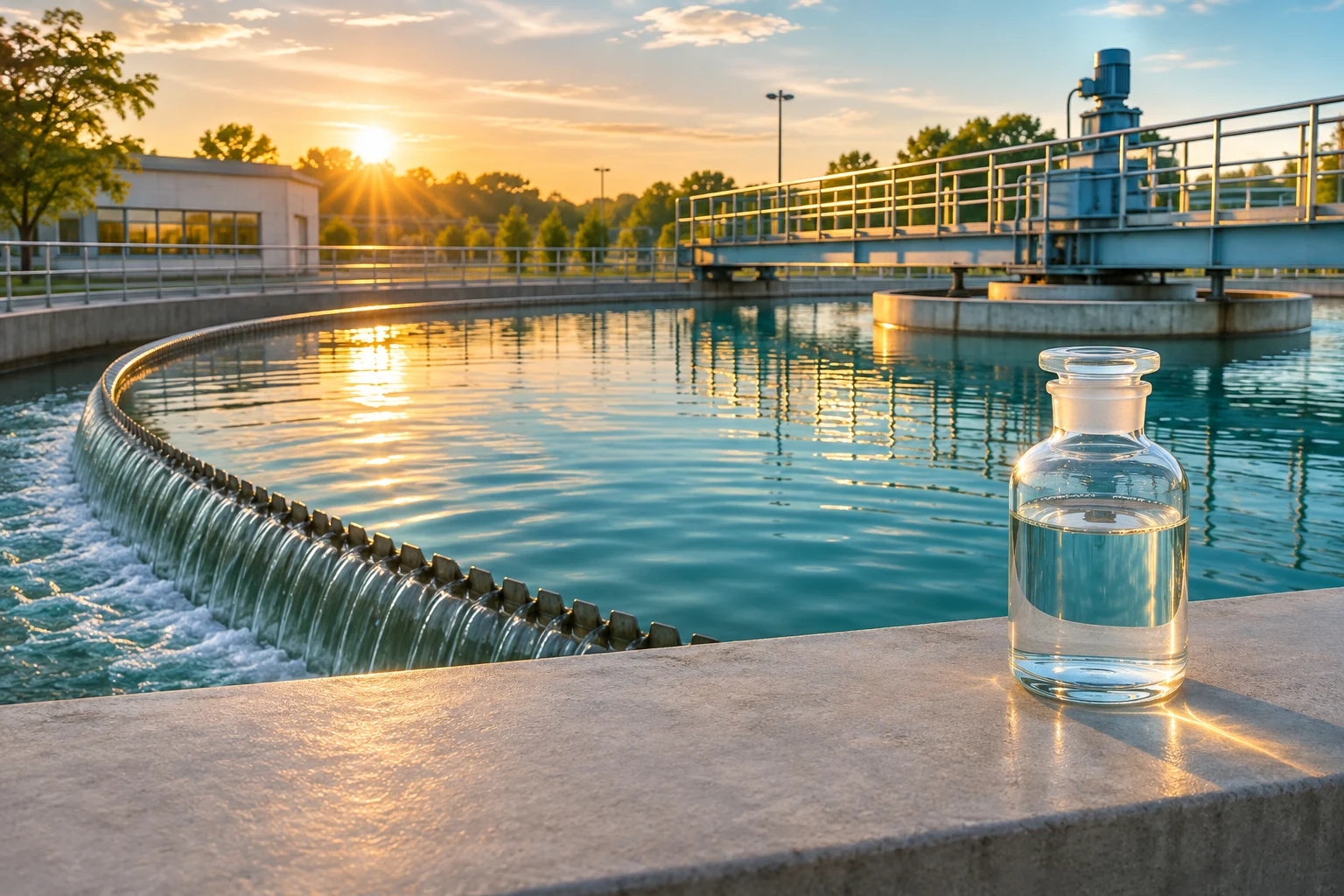
Illustrative water-testing concept.
Watch For This

Signs to Look For

  • Municipally treated water (THM's are rare in untreated private well water, which isn't chlorinated)
  • A water source with higher organic content, such as a surface-water reservoir
  • No distinct taste or smell separate from ordinary chlorine odor — THM levels specifically require lab testing
  • No recent water quality report (CCR) review from your utility, which publishes annual THM test results
How We Fix It

Reverse Osmosis System

Reverse Osmosis System

Reverse osmosis filtration reduces trihalomethanes along with the broader range of dissolved organic compounds and disinfection byproducts it's designed to address, giving you cleaner water at the tap regardless of what's happening upstream at the treatment plant.

Learn More

Note: this is addressed by our reverse osmosis drinking-water system specifically — our whole-house filtration systems are not designed or certified to remove it.

Curious What's In Your Water?

We'll test it for free and show you exactly what a system would remove.

Request a Free Water Test
FAQ

Trihalomethanes: Common Questions

They're a disinfection byproduct — formed when chlorine used to treat water reacts with naturally occurring organic matter already in the source water. They're not added directly.

The Maximum Contaminant Level for Total Trihalomethanes is 0.080 mg/L (80 parts per billion), measured as a running annual average.

Not necessarily — a chlorine smell and THM levels aren't directly correlated. Your utility's annual water quality report, or your own lab test, is the only reliable way to know your actual levels.

Call Now — (267) 225-8282